

About Angel Tarras

You may be having trouble finding the right kind of web design info on the Internet. This happens due to so many sites throwing information out there that doesn’t apply to what you need.
Featured Posts
 Managing Time and Money While Playing Games Online
 A Buyer’s Guide to Durable Commercial Restaurant Chairs
  From Passive Viewing To Interactive Fun: How Digital Play Changed Leisure
 Tips for Enjoying a Smooth Gaming Experience on Any Device
 Mengenal Permainan Slot Modern dan Fitur yang Membuatnya Menarik
 Dormilonas Diamantes How to Choose the Perfect Diamond Stud Earrings
 Novita Lab Grown Diamonds Story: A Modern Jewelry Shift
 Custom Made Engagement Rings: A Personal Approach to Modern Love
 How to Choose the Perfect Diamond Using the 4Cs Lab Grown Diamonds Guide
 Rose Gold Rings NZ: Find the Perfect Style for You
 Yellow Gold Ring: Timeless Elegance for Every Special Moment
 Platinum Engagement Rings with Lab-Grown Diamonds: Complete Guide
 Diamond vs Moissanites: Which Stone Is Right for Modern Couples in Spain?
 Halo Engagement Rings Australia: Smart Diamond Choices
 Round Engagement Rings UK Guide for Smart Buyers
Most Viewed
 Find The Error [pii_email_6e8e157c1031f0c4b55e]
 How to Increase Your Youtube Subscribers Organically
- Rose Gold Rings NZ: Find the Perfect Style for You
 12 Steps To Prioritize Your Mental Health As A Freelancer
- Managing Time and Money While Playing Games Online
 How to get started with your favorite KuCoin Cryptocurrency
 What Is Biticodes And How It Can Help You Trading Cryptos?
- Diamond vs Moissanites: Which Stone Is Right for Modern Couples in Spain?
 แนวทางแทงบอลออนไลน์ ง่ายสุดในโลกพนัน
 The Impact of Science Fair Projects on Learning
 Innovation In Huawei Watch Fit New More Than Smart Watches
 Simple Yet Elegant Furniture for Your Living Room
 Why Are There So Many Cryptocurrencies?
 18. The Smart Evolution of Engagement Rings You Can’t Ignore
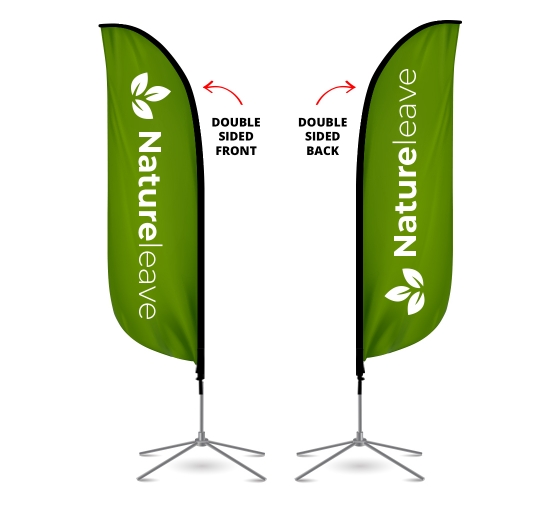 Top Reasons Why Brands Use Feather Flags for On-Ground Advertising and Promotion
Latest Posts
- Managing Time and Money While Playing Games Online
- A Buyer’s Guide to Durable Commercial Restaurant Chairs
- From Passive Viewing To Interactive Fun: How Digital Play Changed Leisure
- Tips for Enjoying a Smooth Gaming Experience on Any Device
- Mengenal Permainan Slot Modern dan Fitur yang Membuatnya Menarik
- Dormilonas Diamantes How to Choose the Perfect Diamond Stud Earrings
- Novita Lab Grown Diamonds Story: A Modern Jewelry Shift
- Custom Made Engagement Rings: A Personal Approach to Modern Love
- How to Choose the Perfect Diamond Using the 4Cs Lab Grown Diamonds Guide
- Rose Gold Rings NZ: Find the Perfect Style for You
- Yellow Gold Ring: Timeless Elegance for Every Special Moment
- Platinum Engagement Rings with Lab-Grown Diamonds: Complete Guide
- Diamond vs Moissanites: Which Stone Is Right for Modern Couples in Spain?
- Halo Engagement Rings Australia: Smart Diamond Choices
- Round Engagement Rings UK Guide for Smart Buyers
Diamonds have long carried meaning beyond their size or price. They mark engagements, anniversaries, achievements, and family milestones. Yet many buyers now ask more questions about origin, value, and how their jewelry was produced. The Novita lab grown diamonds story reflects this change, showing how modern technology has created another path for people who still want genuine diamond jewelry.
Founded in Australia in 2019, Novita Diamonds built its business around laboratory-grown diamonds rather than treating them as a small alternative collection. The brand has since expanded internationally while focusing on engagement rings and fine jewelry.
The Novita Lab Grown Diamonds Story Begins in Australia
Novita Diamonds was founded by Iris Arnold and established its headquarters in Sydney. The company name comes from the Latin meaning of “new,” which fits its focus on a newer approach to diamond jewelry.
The business entered a jewelry market that was already changing. Buyers wanted more control over budgets, larger selections, and clearer information about diamond origin. Lab-grown stones offered Novita a way to build its entire retail model around those priorities.
Instead of presenting laboratory-grown diamonds as substitutes for “real” diamonds, the company focuses on their diamond properties and jewelry applications. That distinction matters because buyers often confuse lab-grown stones with simulants such as cubic zirconia.
Novita also expanded beyond its Australian base. Its presence has grown into markets across Europe and Asia, including South Korea, where it entered the market in December 2022. The company works with diamond manufacturers rather than producing every stone itself.
What Makes a Lab-Grown Diamond a Diamond?
A laboratory-grown diamond starts with carbon and develops under controlled conditions. Manufacturers recreate the circumstances needed for a diamond crystal to form instead of waiting for geological processes deep underground.
Two main production methods dominate the industry. High Pressure High Temperature, known as HPHT, uses intense heat and pressure. Chemical Vapor Deposition, or CVD, builds diamond material from carbon-rich gas inside a specialized chamber.
These processes create crystalline diamond material with the core chemical and physical characteristics associated with diamonds. They should not be confused with diamond look-alikes. Novita certification records, for example, identify laboratory-grown stones and may state the specific growth process used.
That transparency is useful for shoppers comparing man made diamonds with mined stones. Origin remains a major difference, even when both options can deliver the brilliance and durability buyers expect from diamond jewelry.
The 4Cs Still Matter
Laboratory production does not remove the need to evaluate quality. Buyers should still examine the traditional 4Cs: cut, color, clarity, and carat weight.
Cut has a major effect on brilliance because it controls how effectively light travels through the stone. Color grades indicate how colorless a diamond appears, while clarity measures visible and microscopic inclusions. Carat describes weight rather than visual beauty.
A larger diamond is not automatically a better purchase. A well-cut stone with balanced grades can look more attractive than a heavier diamond with weaker proportions. This makes certification and careful comparison valuable during the buying process.
Why Novita Focused on Engagement Jewelry
Engagement rings are a natural fit for laboratory-grown diamonds. Many couples work within a fixed budget while also caring about design, stone size, metal choice, and craftsmanship.
Lab-grown diamonds can change how that budget gets divided. A buyer may decide to choose a larger center stone, a detailed setting, or platinum rather than spending most of the budget on diamond origin alone.
Novita has built its offering around this type of flexibility. Its jewelry range includes engagement rings and other fine diamond pieces, with customization playing an important role in the buying experience.
Personalization also reflects a wider shift in bridal jewelry. Couples increasingly want rings that feel individual rather than simply following a traditional formula. Diamond shape, setting style, band design, and metal can all change the character of a finished ring.
Ethics and Sustainability Need Careful Context
Ethics often appear in discussions about laboratory-grown jewelry. Because these stones do not require diamond mining, their supply chain differs greatly from that of mined stones. Novita describes its jewelry as an ethical and conflict-free alternative.
Still, buyers should avoid assuming that every laboratory-grown diamond has the same environmental footprint. Producing diamonds requires significant energy, and the impact can vary according to the manufacturing method and electricity source. Recent reporting on the industry continues to highlight this energy question.
For a careful shopper, specific information is more useful than broad environmental claims. Ask where a diamond was grown, whether the seller can explain its sourcing, and what documentation comes with the stone.
This approach makes sustainability part of an informed buying decision rather than a simple marketing label.
Certification Brings Clarity to the Purchase
One useful lesson from the Novita lab grown diamonds story is the value of clear identification. A grading report helps buyers understand exactly what they are considering before committing to an important purchase.
A report can document carat weight, measurements, color, clarity, cut information, polish, symmetry, and fluorescence. Some laboratory-grown diamond records also identify the growth method and laser inscription.
Shoppers should compare the grading document with the actual stone rather than buying based only on a headline carat size. Measurements, proportions, and cut quality affect how large and bright a diamond looks once set in a ring.
Clear labeling also matters. In May 2026, the UK Advertising Standards Authority ruled that Novita advertisements should have clearly qualified diamonds as synthetic or laboratory-created instead of using “diamond” alone. Novita said it amended the advertising by adding “lab” before “diamonds.”
For consumers, the lesson is simple: diamond origin should always be stated clearly.
How to Shop for a Lab-Grown Diamond Wisely
Start with the ring rather than the largest stone within your budget. Decide which diamond shape, setting, and metal suit the wearer’s lifestyle. Then compare stones that fit those requirements.
Pay close attention to cut. Excellent light performance often creates more visible impact than moving slightly higher in color or clarity. Also check the diamond under different lighting whenever possible.
Buyers should review the grading report, warranty terms, resizing policy, return conditions, and aftercare before paying. These practical details can matter long after the excitement of choosing the ring has passed.
Finally, think about personal priorities. Someone focused on rarity and traditional geological origin may prefer a mined diamond. A buyer who prioritizes size, design flexibility, or laboratory origin may find a lab-grown stone more suitable.
A Jewelry Story Built Around Changing Priorities
The Novita lab grown diamonds story represents more than the growth of one jewelry retailer. It reflects a broader change in how people evaluate fine jewelry. Origin, transparency, technology, design, and budget now sit beside traditional ideas about beauty and symbolism.
Laboratory-grown stones have also given shoppers another meaningful choice rather than removing the existing one. People can compare mined and man made diamonds, understand the differences, and decide which option fits their priorities.
For anyone considering Novita or another lab-grown diamond jeweler, informed comparison remains the best approach. Review certification, examine craftsmanship, understand the seller’s policies, and choose a piece that fits both the budget and the reason behind the purchase.

Trending Posts
 The Creative Possibilities When It Comes to Unique Sticker Papers
 Women’s Hats for Winter: Which one is Your?
 Rose Gold Engagement Rings: A Timeless Choice with Modern Appeal
- A Buyer’s Guide to Durable Commercial Restaurant Chairs
 Specifications of Honor x7
 Sell Scrap Gold Perth: A Guide to Fair Valuations
![How To HOW TO SOLVE THE [PII_EMAIL_F471D3EE8613F77BD6E2] ERROR CODE – [GUIDE] 2021](https://www.terribleanalogies.com/wp-content/uploads/2021/07/How-To-FIX-PII_EMAIL_A09AE663ED64D4128110-ERROR-CODE-IN-MICROSOFT-OUTLOOK-2021-144x144.jpg "How To HOW TO SOLVE THE [PII_EMAIL_F471D3EE8613F77BD6E2] ERROR CODE – [GUIDE] 2021") How To HOW TO SOLVE THE [PII_EMAIL_F471D3EE8613F77BD6E2] ERROR CODE – [GUIDE] 2021
How To HOW TO SOLVE THE [PII_EMAIL_F471D3EE8613F77BD6E2] ERROR CODE – [GUIDE] 2021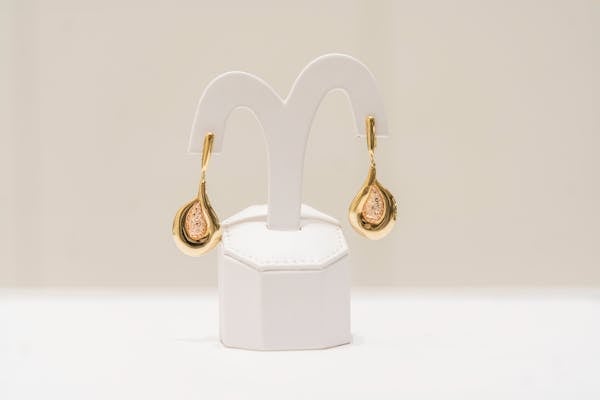 Man Made Diamonds Melbourne: The Premier Choice for Ethical, Stunning Diamonds
 5 Web Design Tips Backed by Research
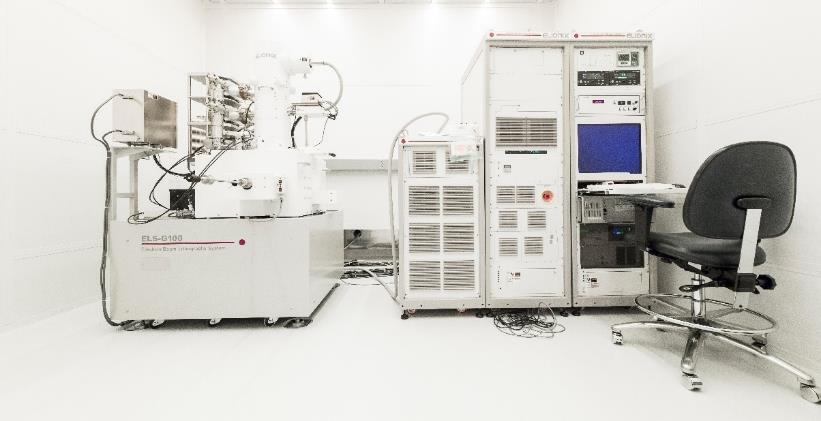 Here’s A Quick Way To Analyze Electron Beam Lithography
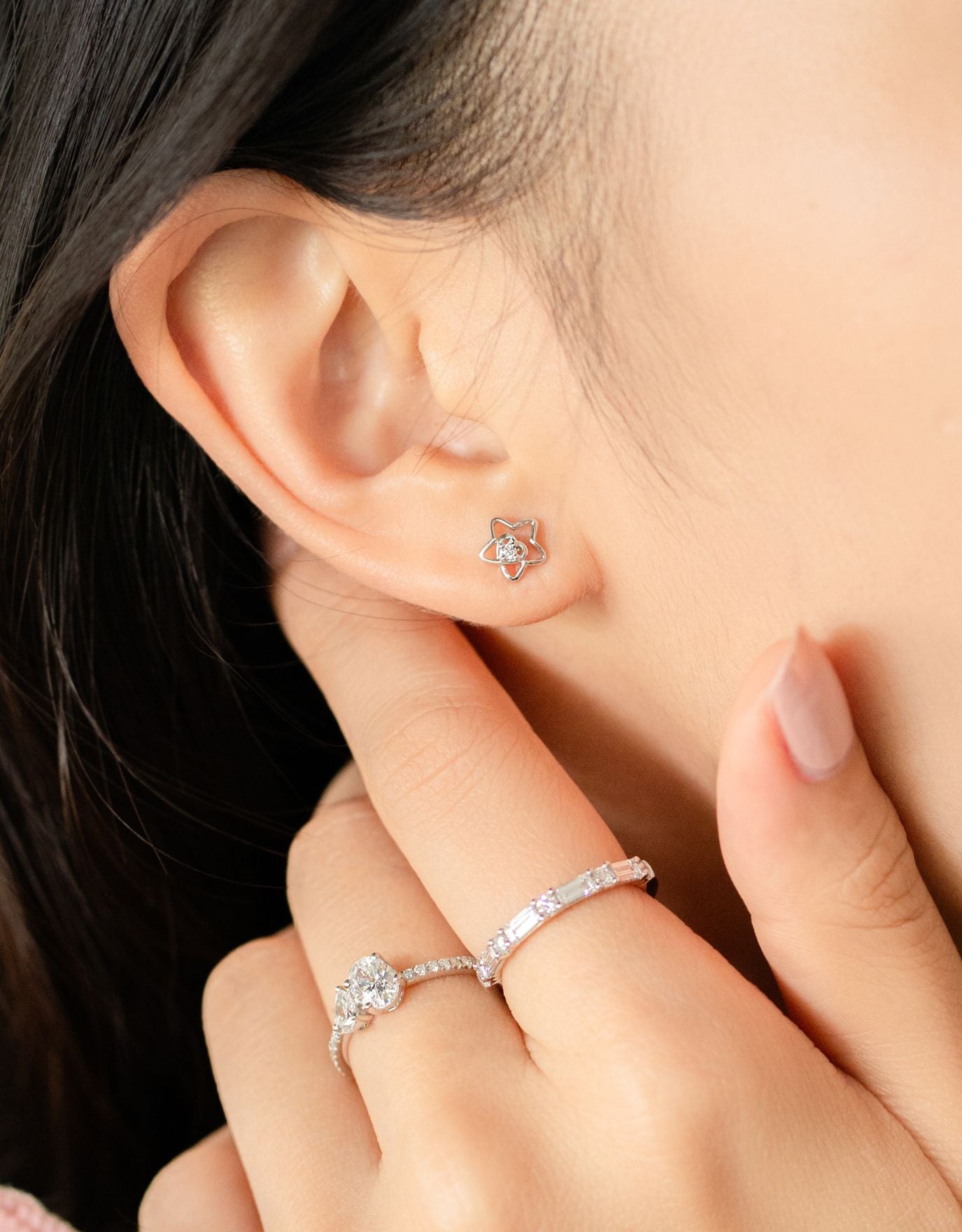 Elegant Choices: Exploring Men’s Wedding Bands in Australia with Lab-Made Diamonds
 Design A Web Site With These Tips
- แนวทางแทงบอลออนไลน์ ง่ายสุดในโลกพนัน
 What Is WPS Office?
 Download Mobile App Here – July Boosts Charity
Most Viewed
.jpg "Diamonds in Perth") Lab Diamonds in Perth: The Sustainable Choice for Modern Jewelry
Lab Diamonds in Perth: The Sustainable Choice for Modern Jewelry Want Great Ideas About Web Design? Look Here!
 Things to Look For When Choosing a Sportsbook
 Coinbase will enter the Japanese market. The cryptocurrency exchange has received regulatory approval
 Why Financial Ratios Are Important
 Top 5 Reasons To Work With A Digital Marketing Company
 How can you Boost your Lead Generation Strategy with Email Marketing?
 Moissanita vs Diamante: An Honest Look from Behind the Jewellery Counter
 5 Wonderful Benefits Of Getting Bobbleheads Custom-Created By Professionals
 Wired vs. Wireless Internet Service
 Is Lorraine Chen A Scam Full Scam Reviews of Specter Ecommerce Program
- Rose Gold Rings NZ: Find the Perfect Style for You
 What Do you Mean By Iot Technology?
- Find The Error [pii_email_6e8e157c1031f0c4b55e]
 The Pros and Cons of Truck Loads: What You Need to Know
Trending Posts
- Managing Time and Money While Playing Games Online
- A Buyer’s Guide to Durable Commercial Restaurant Chairs
- From Passive Viewing To Interactive Fun: How Digital Play Changed Leisure
- Tips for Enjoying a Smooth Gaming Experience on Any Device
- Mengenal Permainan Slot Modern dan Fitur yang Membuatnya Menarik
- Dormilonas Diamantes How to Choose the Perfect Diamond Stud Earrings
- Novita Lab Grown Diamonds Story: A Modern Jewelry Shift
- Custom Made Engagement Rings: A Personal Approach to Modern Love
- How to Choose the Perfect Diamond Using the 4Cs Lab Grown Diamonds Guide
- Rose Gold Rings NZ: Find the Perfect Style for You
- Yellow Gold Ring: Timeless Elegance for Every Special Moment
- Platinum Engagement Rings with Lab-Grown Diamonds: Complete Guide
- Diamond vs Moissanites: Which Stone Is Right for Modern Couples in Spain?
- Halo Engagement Rings Australia: Smart Diamond Choices
- Round Engagement Rings UK Guide for Smart Buyers
Popular Posts
- Managing Time and Money While Playing Games Online
- A Buyer’s Guide to Durable Commercial Restaurant Chairs
- From Passive Viewing To Interactive Fun: How Digital Play Changed Leisure
- Tips for Enjoying a Smooth Gaming Experience on Any Device
- Mengenal Permainan Slot Modern dan Fitur yang Membuatnya Menarik
- Dormilonas Diamantes How to Choose the Perfect Diamond Stud Earrings
- Novita Lab Grown Diamonds Story: A Modern Jewelry Shift
- Custom Made Engagement Rings: A Personal Approach to Modern Love