

About Angel Tarras

You may be having trouble finding the right kind of web design info on the Internet. This happens due to so many sites throwing information out there that doesn’t apply to what you need.
Featured Posts
 Managing Time and Money While Playing Games Online
 A Buyer’s Guide to Durable Commercial Restaurant Chairs
  From Passive Viewing To Interactive Fun: How Digital Play Changed Leisure
 Tips for Enjoying a Smooth Gaming Experience on Any Device
 Mengenal Permainan Slot Modern dan Fitur yang Membuatnya Menarik
 Dormilonas Diamantes How to Choose the Perfect Diamond Stud Earrings
 Novita Lab Grown Diamonds Story: A Modern Jewelry Shift
 Custom Made Engagement Rings: A Personal Approach to Modern Love
 How to Choose the Perfect Diamond Using the 4Cs Lab Grown Diamonds Guide
 Rose Gold Rings NZ: Find the Perfect Style for You
 Yellow Gold Ring: Timeless Elegance for Every Special Moment
 Platinum Engagement Rings with Lab-Grown Diamonds: Complete Guide
 Diamond vs Moissanites: Which Stone Is Right for Modern Couples in Spain?
 Halo Engagement Rings Australia: Smart Diamond Choices
 Round Engagement Rings UK Guide for Smart Buyers
Most Viewed
 7 Important benefits of Satellite TV
 Effective Crypto Trading Strategies
 Tips And Tricks Every Web Designer Should Know
 Big Data and IoT: A Match Made for the Future
 Solutions In Staffing Management
How to Clean My Ring: An Exhaustive Aide
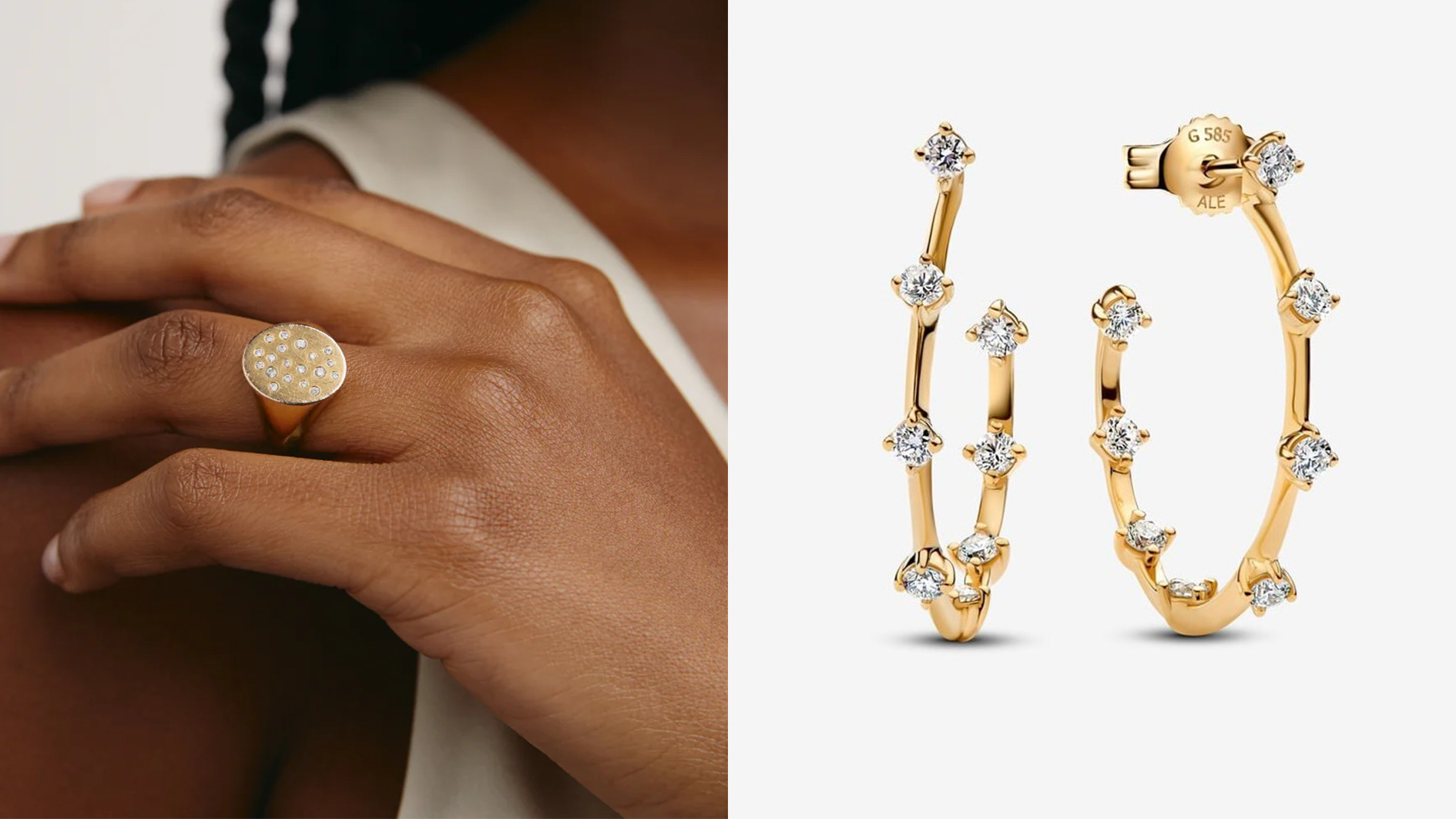 Lab Created Diamonds Hoops: The Elegant Choice Among Man Made Diamonds
 4 Best Tips to Be a Top-Level Data Scientist
 5 Tips for Using Video Content on Your E-commerce Site
 Discover How To Design Your Site Like A Pro
- Rose Gold Rings NZ: Find the Perfect Style for You
 Everything You Need To Know For Passing The TOGAF ®9 Certification Training Test.
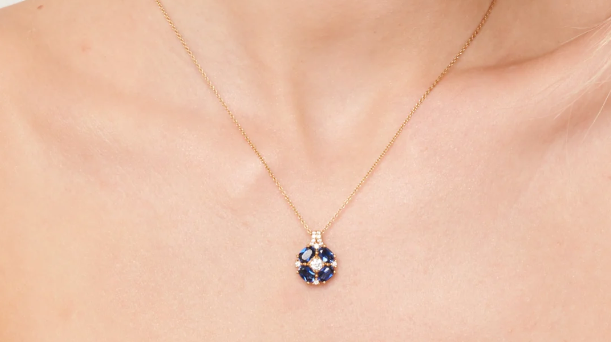 Man Made Diamonds Pendants: The Perfect Blend of Elegance and Sustainability
1560894203174310.jpg "My Laptop’s Battery Dies Fast") My Laptop’s Battery Dies Fast
My Laptop’s Battery Dies Fast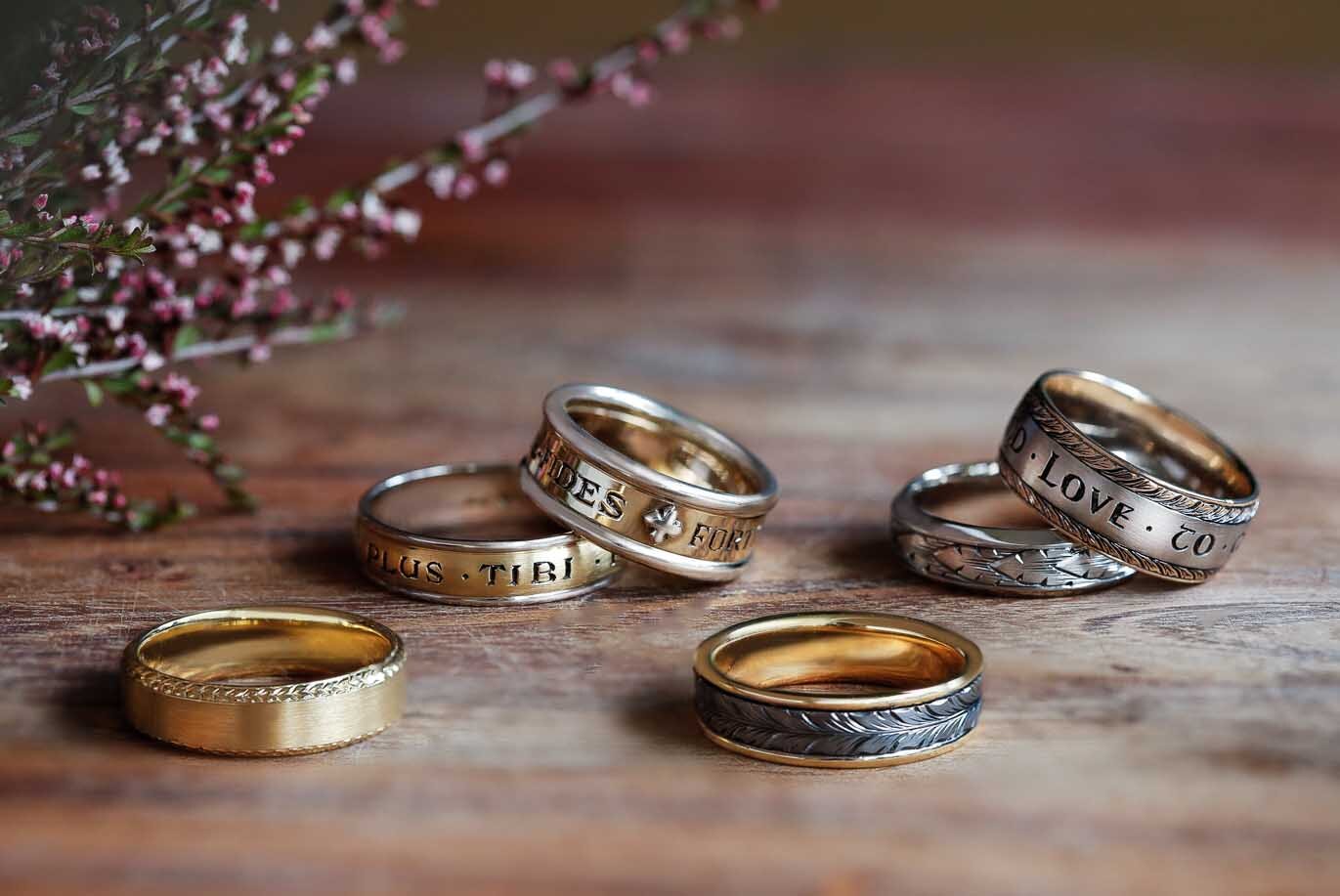 The Ultimate Guide to Men’s Wedding Bands in Australia: Styles, Trends, and Tips
Latest Posts
- Managing Time and Money While Playing Games Online
- A Buyer’s Guide to Durable Commercial Restaurant Chairs
- From Passive Viewing To Interactive Fun: How Digital Play Changed Leisure
- Tips for Enjoying a Smooth Gaming Experience on Any Device
- Mengenal Permainan Slot Modern dan Fitur yang Membuatnya Menarik
- Dormilonas Diamantes How to Choose the Perfect Diamond Stud Earrings
- Novita Lab Grown Diamonds Story: A Modern Jewelry Shift
- Custom Made Engagement Rings: A Personal Approach to Modern Love
- How to Choose the Perfect Diamond Using the 4Cs Lab Grown Diamonds Guide
- Rose Gold Rings NZ: Find the Perfect Style for You
- Yellow Gold Ring: Timeless Elegance for Every Special Moment
- Platinum Engagement Rings with Lab-Grown Diamonds: Complete Guide
- Diamond vs Moissanites: Which Stone Is Right for Modern Couples in Spain?
- Halo Engagement Rings Australia: Smart Diamond Choices
- Round Engagement Rings UK Guide for Smart Buyers
Buying a diamond starts with understanding quality. The 4Cs lab grown diamonds system gives buyers a simple way to compare stones based on measurable standards. These four factors include cut, color, clarity, and carat weight. They apply to both natural and lab created diamonds.
Lab grown diamonds have the same crystal structure, hardness, and optical properties as mined diamonds. They receive the same grading standards from respected gemological laboratories. This means the 4Cs matter just as much when choosing a lab grown stone.
Learning how each C affects appearance and price helps you select a diamond that fits your budget without sacrificing beauty.
What Are the 4Cs Lab Grown Diamonds?
The 4Cs lab grown diamonds are an international grading system developed to evaluate diamond quality. Each category measures a different feature of the stone.
The four Cs include:
- Cut
- Color
- Clarity
- Carat weight
Professional laboratories such as the Gemological Institute of America (GIA) and the International Gemological Institute (IGI) grade both natural and lab grown diamonds using these standards.
Although the grading system stays the same, lab grown diamonds often provide higher quality at a lower price. That allows buyers to choose better grades without spending more.
Cut: The Most Important Quality Factor
Cut describes how well a diamond’s facets interact with light. Many buyers confuse cut with shape, but they are different. Shape refers to the outline, such as round, oval, or cushion. Cut measures craftsmanship.
A well-cut diamond reflects light back through the top of the stone. This creates brightness, sparkle, and fire. Even a diamond with excellent color and clarity can appear dull if the cut is poor.
Most grading reports classify cut into these categories:
- Excellent
- Very Good
- Good
- Fair
- Poor
For maximum brilliance, choose Excellent or Very Good whenever your budget allows. A superior cut usually creates a bigger visual difference than higher color or clarity grades.
Understanding Diamond Color Grades
Diamond color measures the absence of yellow or brown tint. The grading scale begins with D, which represents a completely colorless diamond, and ends with Z, where color becomes easy to see.
The standard color scale includes:
- D to F: Colorless
- G to J: Near Colorless
- K to M: Faint Color
- N to R: Very Light Color
- S to Z: Light Color
Many buyers cannot see the difference between a D-grade and an F-grade diamond without professional equipment.
One advantage of lab created diamonds is that manufacturers can produce high-color stones more consistently. As a result, buyers often find D through G grades at more affordable prices than comparable mined diamonds.
Clarity Grades Explained
Clarity measures the number and size of internal inclusions and external blemishes. Nearly every diamond contains tiny natural characteristics. Most remain invisible without magnification.
Common clarity grades include:
- FL: Flawless
- IF: Internally Flawless
- VVS1 and VVS2: Very Very Slightly Included
- VS1 and VS2: Very Slightly Included
- SI1 and SI2: Slightly Included
- I1 to I3: Included
Many VS and SI diamonds appear completely clean to the naked eye. These are often called eye-clean diamonds.
Since lab grown diamonds form under controlled conditions, they frequently contain fewer visible inclusions than many natural diamonds. Buyers can often choose higher clarity without paying a large premium.
Carat Weight and Diamond Size
Carat measures a diamond’s weight, not its physical size. One carat equals 200 milligrams.
Two diamonds with the same carat weight may appear different in size. Their cut proportions influence how large they look from above.
Popular carat weights include:
- 0.50 carat
- 0.75 carat
- 1.00 carat
- 1.50 carat
- 2.00 carats
Price rises sharply at milestone weights such as one or two carats. Choosing a diamond that weighs slightly below these points, such as 0.90 or 1.90 carats, often provides better value with little visible difference.
How the 4Cs Work Together
No single C determines diamond quality. The best choice depends on balancing all four characteristics.
For example, an Excellent-cut diamond with G color, VS2 clarity, and one-carat weight may appear more attractive than a larger stone with poor cut and lower clarity.
Most experienced buyers prioritize quality in this order:
- Cut
- Color
- Clarity
- Carat
This approach usually delivers the strongest visual impact while keeping costs under control.
Do Lab Created Diamonds Follow the Same Grading Standards?
Yes. Reputable grading laboratories use the same scientific methods for both mined and lab grown diamonds.
The grading report identifies whether the diamond was created in a laboratory. Aside from origin, the report evaluates cut, color, clarity, measurements, polish, symmetry, fluorescence, and carat using the same standards.
Always request an independent grading report before making a purchase. Independent certification provides confidence that the stated quality matches the stone.
How Diamond Growth Methods Affect Quality
Most lab created diamonds come from one of two production methods.
High Pressure High Temperature (HPHT) recreates the heat and pressure found deep inside the Earth. This process produces high-quality crystals suitable for jewelry.
Chemical Vapor Deposition (CVD) grows diamonds layer by layer inside a controlled chamber using carbon-rich gases.
Both methods create real diamonds. The production method does not determine beauty by itself. The finished diamond still receives grades based on the 4Cs.
Choosing the Best 4Cs for Your Budget
Every buyer has different priorities. A balanced combination often delivers better value than chasing perfect grades.
If sparkle matters most, invest in Excellent cut first.
If you want a bright white appearance, select color grades between D and G.
For everyday wear, VS1, VS2, SI1, and many SI2 diamonds offer excellent value if they appear eye-clean.
If size matters, consider slightly lower color or clarity grades while keeping cut quality high.
This balanced strategy helps buyers maximize beauty without paying for differences that are difficult to notice.
Common Myths About the 4Cs
Many shoppers misunderstand diamond grading. Clearing up these myths helps buyers make smarter decisions.
Myth: Bigger diamonds always look better.
Fact: A well-cut smaller diamond often appears brighter and more attractive.
Myth: Only flawless diamonds are worth buying.
Fact: Most inclusions remain invisible without magnification.
Myth: Lab grown diamonds have lower quality standards.
Fact: Independent laboratories grade them using the same 4Cs system as natural diamonds.
Myth: Higher color always creates a noticeable improvement.
Fact: Most people cannot distinguish nearby color grades without direct comparison.
Final Thoughts
Understanding the 4Cs lab grown diamonds system makes diamond shopping much easier. Cut controls brilliance. Color measures whiteness. Clarity evaluates natural characteristics. Carat determines weight. Together, these factors define quality and value.
Because lab created diamonds meet the same grading standards as mined diamonds, buyers can compare options with confidence. A balanced choice across all four Cs often delivers the best combination of beauty, durability, and value. Instead of focusing on one perfect grade, evaluate how each characteristic works with the others to find a diamond that matches both your style and your budget.

Trending Posts
 How Much Air is in a Human Hamster Ball?
Pension Funds Alert To Fall In Cryptocurrencies
 How Are Lugged Valves Different from Wafer Butterfly Valves?
![How to Solved [pii_email_bdf13af903a8f5707fb2] Outlook Error?](https://ratedekho.com/wp-content/uploads/2021/09/0_7OyEdb7ViLGWbvSW-1170x780.jpg) How to Solved [pii_email_bdf13af903a8f5707fb2] Outlook Error?
How to Solved [pii_email_bdf13af903a8f5707fb2] Outlook Error? Why Is Bitcoin So Popular Among All Cryptocurrencies? Reasons Explained
Different Online Casino Betting Bonuses and Promotions in Nigeria That Make Gambling a Genuine Habit
 CBD Oil for Dogs: All You Need to Know
 What is ChromeDriver C# and How Do You Run It for Selenium WebDriver?
- Lab Created Diamonds Hoops: The Elegant Choice Among Man Made Diamonds
- Custom Made Engagement Rings: A Personal Approach to Modern Love
 How Does Explainer Video Help You Promote Your Product?
 3D Lab Printer is Evolving Digital Dentistry
 Here is an Overview of Desktop Wallets and Their Functionality
 How To Take The Web By Storm With Your Designs!
 Web Application Penetration Testing: How to Prevent Attacks
Most Viewed
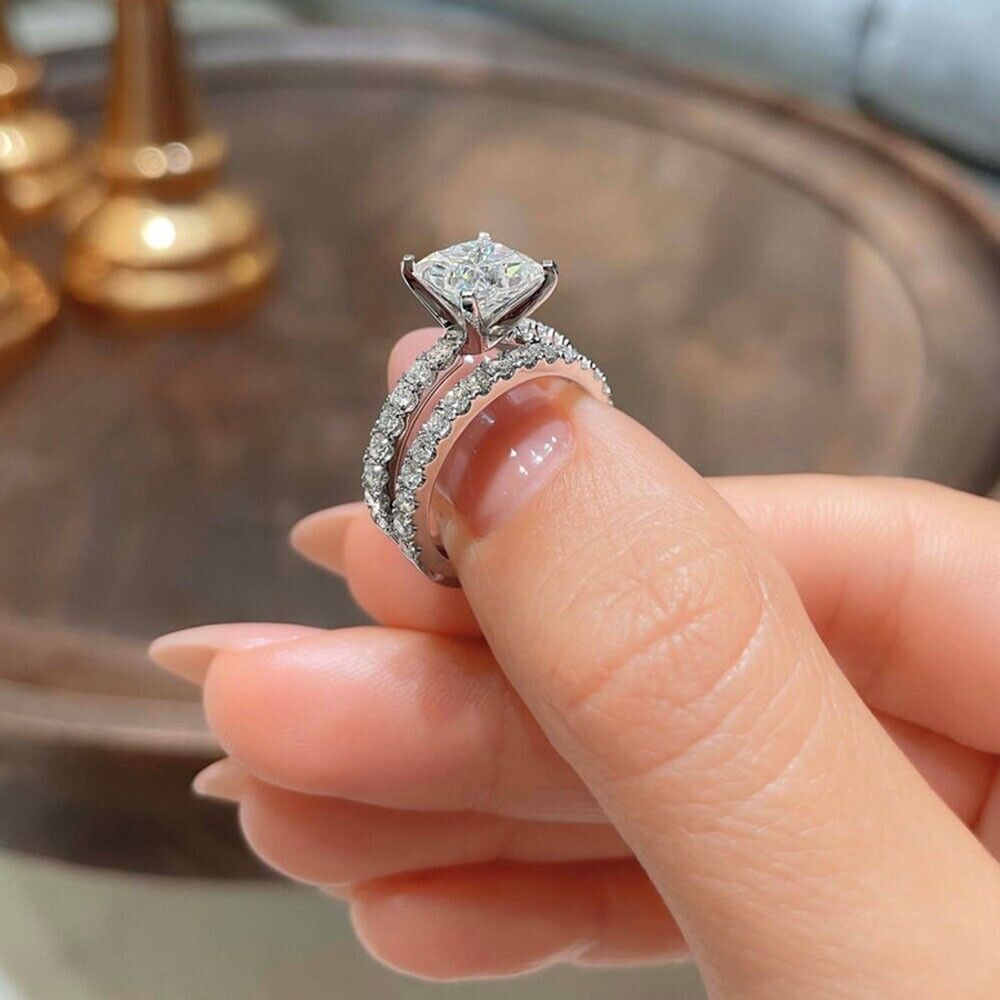 Lab-Grown Diamonds: A Sparkling Alternative
Diamonds’ #1 Question: What Makes Them So Valuable?
 Learn How To Start Transit Insurance Policy
 What Is WPS Office?
 Coinbase will enter the Japanese market. The cryptocurrency exchange has received regulatory approval
 Why Are Bitcoin Investments Safe?
- Here is an Overview of Desktop Wallets and Their Functionality
 What Is Biticodes And How It Can Help You Trading Cryptos?
 Garden Flags: Ways To Maintain And Keep Them Intact
 GogoPDF: The Ultimate Seamless Document Editing Tool
 Theory vs Practicals Why Experience Is Important For Data Scientists in Mumbai
 Social Media Marketing for E-Commerce: A Comprehensive Guide to Boosting Your Online Sales
 Structuring Emails with Smart Tips and Techniques
 What Do you Mean By Iot Technology?
Trending Posts
- Managing Time and Money While Playing Games Online
- A Buyer’s Guide to Durable Commercial Restaurant Chairs
- From Passive Viewing To Interactive Fun: How Digital Play Changed Leisure
- Tips for Enjoying a Smooth Gaming Experience on Any Device
- Mengenal Permainan Slot Modern dan Fitur yang Membuatnya Menarik
- Dormilonas Diamantes How to Choose the Perfect Diamond Stud Earrings
- Novita Lab Grown Diamonds Story: A Modern Jewelry Shift
- Custom Made Engagement Rings: A Personal Approach to Modern Love
- How to Choose the Perfect Diamond Using the 4Cs Lab Grown Diamonds Guide
- Rose Gold Rings NZ: Find the Perfect Style for You
- Yellow Gold Ring: Timeless Elegance for Every Special Moment
- Platinum Engagement Rings with Lab-Grown Diamonds: Complete Guide
- Diamond vs Moissanites: Which Stone Is Right for Modern Couples in Spain?
- Halo Engagement Rings Australia: Smart Diamond Choices
- Round Engagement Rings UK Guide for Smart Buyers
Popular Posts
- Managing Time and Money While Playing Games Online
- A Buyer’s Guide to Durable Commercial Restaurant Chairs
- From Passive Viewing To Interactive Fun: How Digital Play Changed Leisure
- Tips for Enjoying a Smooth Gaming Experience on Any Device
- Mengenal Permainan Slot Modern dan Fitur yang Membuatnya Menarik
- Dormilonas Diamantes How to Choose the Perfect Diamond Stud Earrings
- Novita Lab Grown Diamonds Story: A Modern Jewelry Shift
- Custom Made Engagement Rings: A Personal Approach to Modern Love